
Skip to content
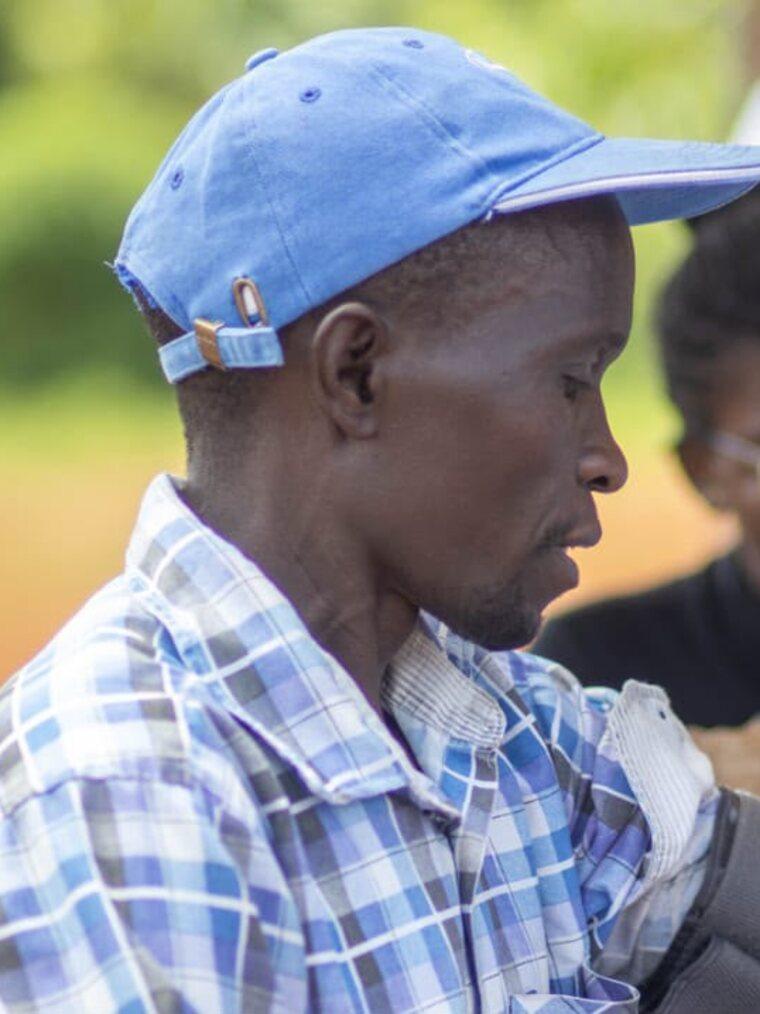
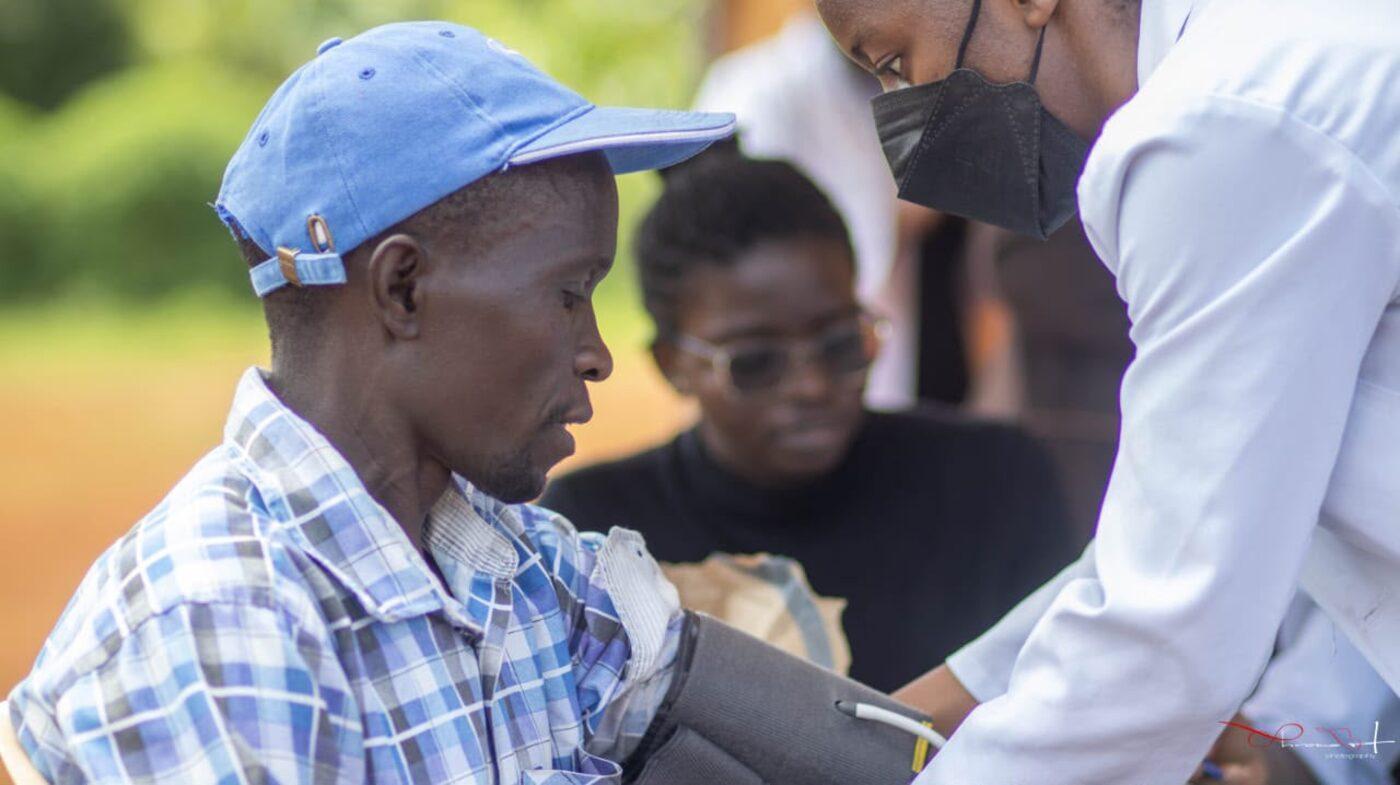
A man has his blood pressure taken at an outdoor community screening.

Predict malaria risk before cases surge.

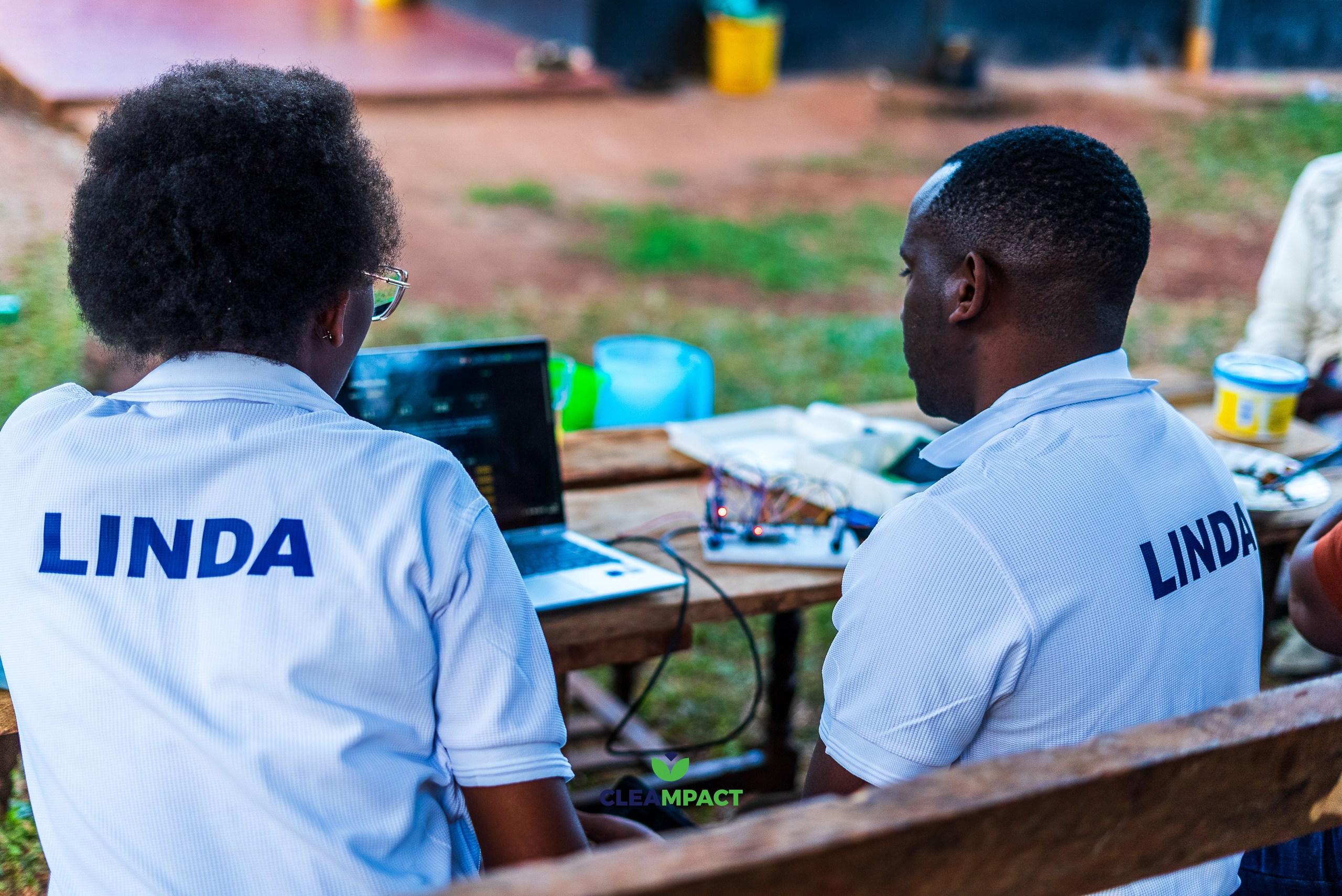
LINDA is a solar-powered, AI-driven malaria early-warning system that helps frontline health workers act earlier using hyperlocal climate and malaria data.

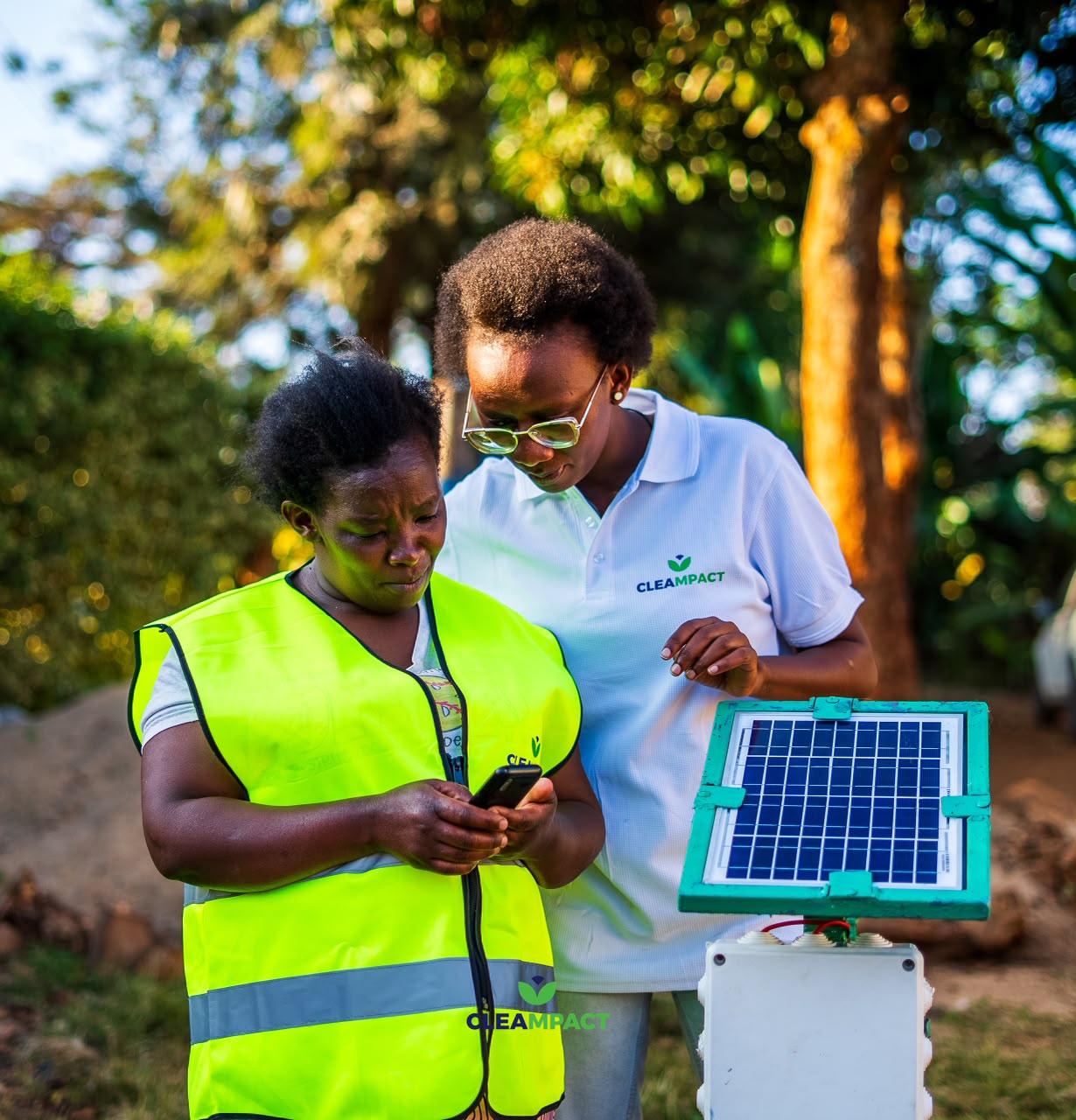
LINDA sensor
Temperature
28.4 °C
Humidity
78 %
01
Mission
Equip frontline health workers with timely, local risk intelligence so they can prevent disease before cases surge.
02
Vision
A future where every community can act on health risks before preventable illness becomes an outbreak.

Malaria response is often reactive.

By the time cases rise at health facilities, prevention opportunities have already been missed.

Weather services collect climate data. DHIS2 and health facilities track disease patterns. Community Health Promoters already reach households across the country. Yet these data sources rarely reach frontline health workers as timely, actionable local risk information.

By the time rising transmission becomes visible through increasing cases at health facilities, the opportunity for earlier, targeted prevention has narrowed.

LINDA closes this gap by turning local climate and malaria data into early, actionable alerts for frontline health workers.

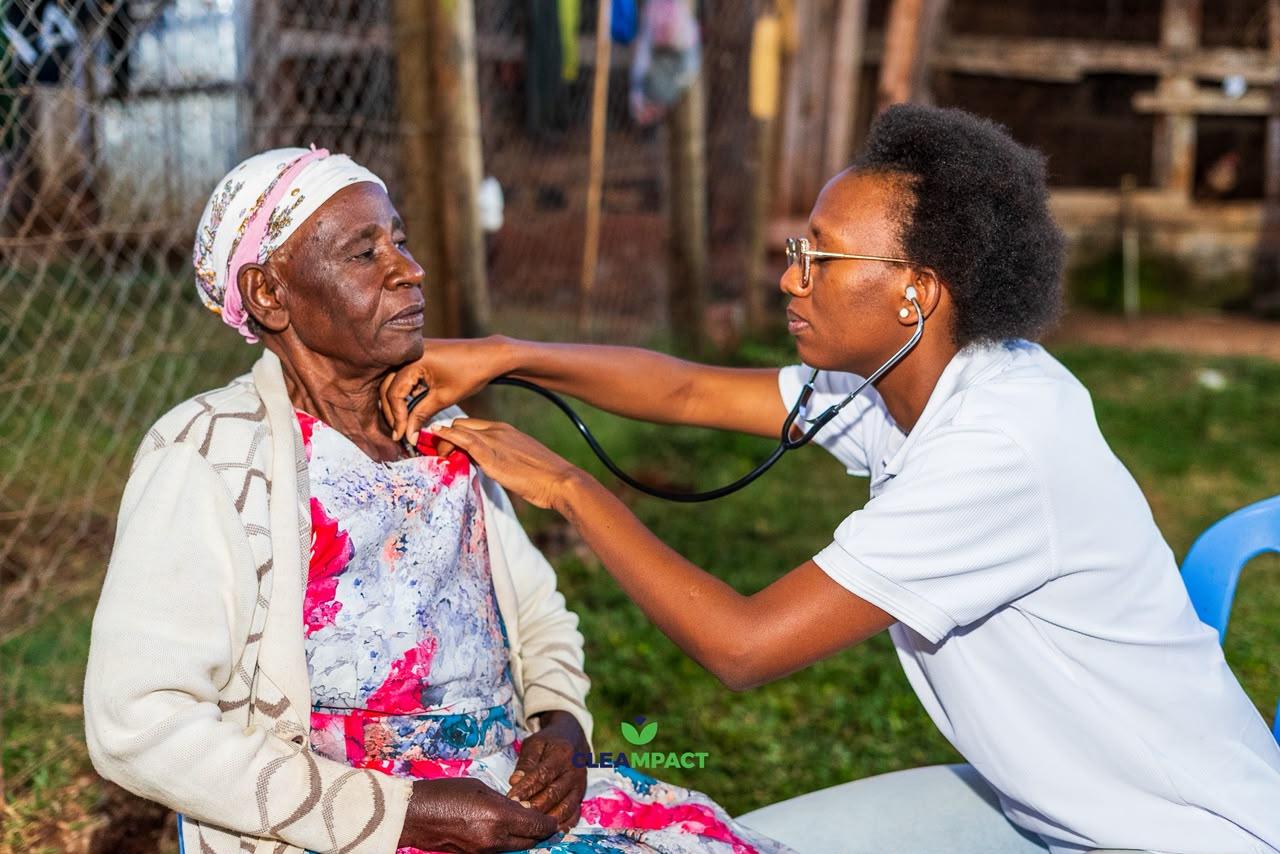
A mother holds her baby steady while two community health workers treat the child at a rural health post.

Who the alerts prioritise

Children under five
Highest vulnerability to severe malaria and complications.
Pregnant women
Malaria increases risks of miscarriage, low birth weight, and maternal anemia.
Elderly and people Living with disabilities
May face additional barriers to accessing timely care and prevention resources.

How it works

From climate signal to community action in four steps

No new infrastructure. LINDA works on any phone, on 2G signal, in any community Safaricom reaches.

Community health promoters in blue vests gathered around a water container, demonstrating safe water handling to a group of women.
Our Device
  1. 01

    Climate Measurement

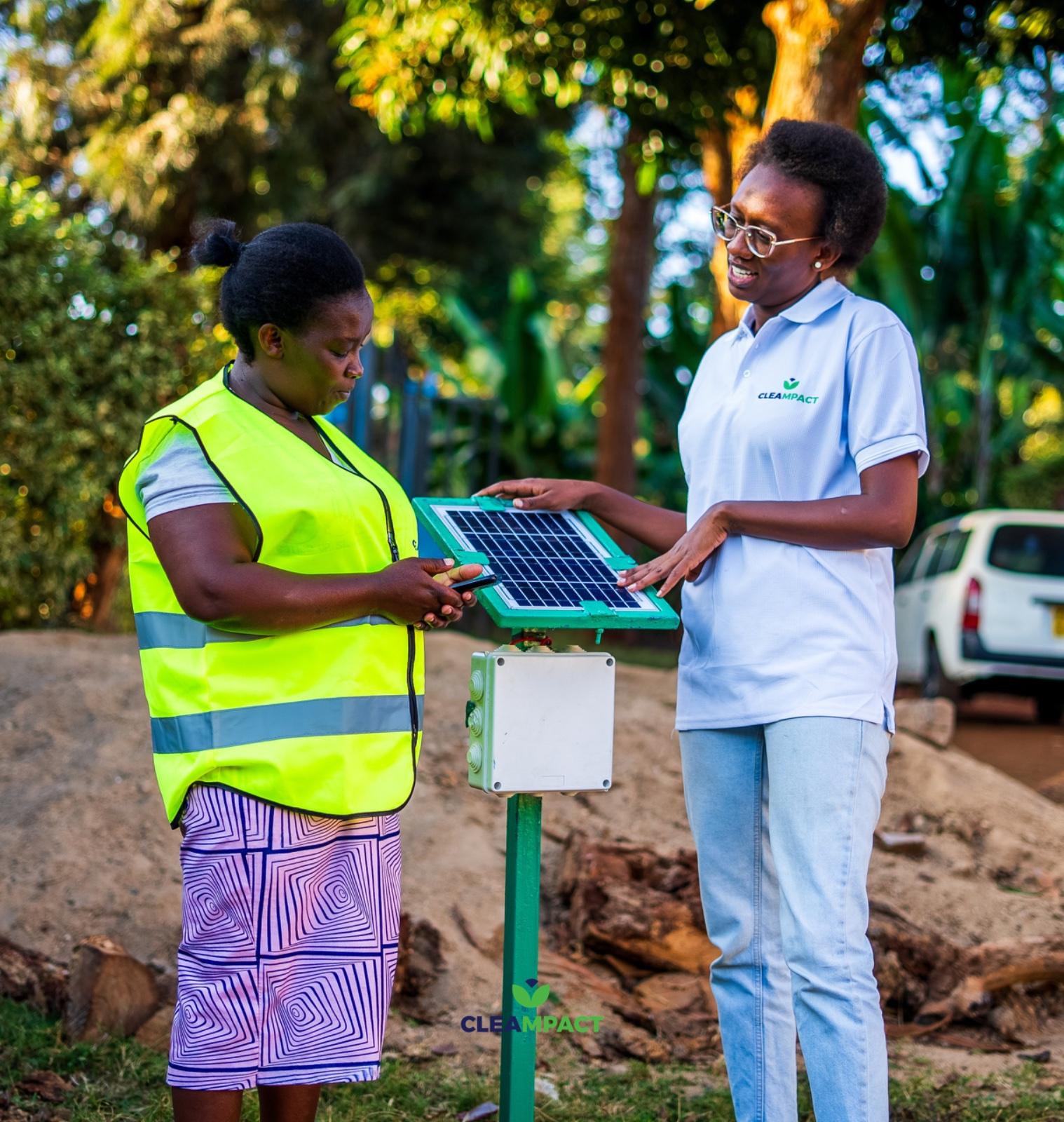
    LINDA’s solar-powered sensor measures local temperature and humidity.

  2. 02

    Risk Estimation

    LINDA combines local climate data with historical malaria patterns to estimate rising transmission risk.

  3. 03

    Actionable Alert

    The CHP receives an SMS or WhatsApp alert showing the risk level, priority households and recommended preventive actions.

  4. 04

    Targeted Intervention

    CHPs use the alert to prioritize household visits, prevention education, referral and locally available interventions.

The warning windowA climate signal — rainfall, temperature and humidity — rises and peaks several weeks before the resulting case load peaks. LINDA alerts health workers during the gap between the two, two to six weeks before the outbreak starts.2–6 weeks to actClimate signalCasesSensor detectsFirst cases present
Schematic of the mechanism, not plotted data. Lead times vary by disease and community — see the warning times on each disease below.

What LINDA tracks

Four climate-driven threats. One early warning system.

A mother holds her baby steady while two community health workers treat the child at a rural health post.

LINDA in the field

Warning time

Same day6 weeks
  • Malaria

    Active

    Triggered by rainfall, temperature, and humidity.

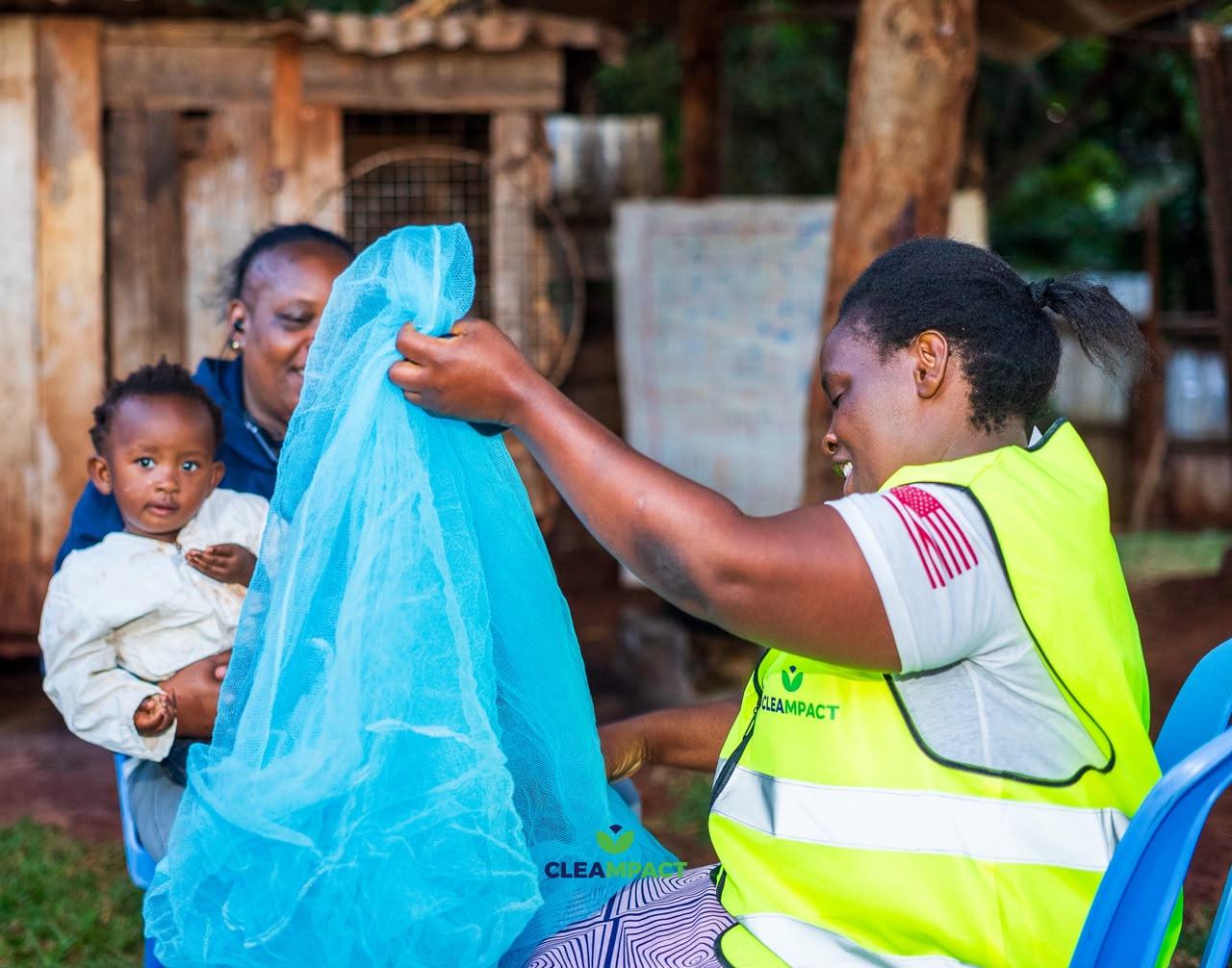
    LINDA predicts malaria transmission risk before cases surge. Alerts prompt CHPs to distribute bed nets and preventive medicines to priority households.

  • Heat stress

    In progress

    Triggered by temperature above 35 °C with humidity above 60%.

    Affects children under five, the elderly, and pregnant women. LINDA will send same-day alerts when dangerous heat–humidity combinations are detected.

  • Respiratory disease

    In progress

    Triggered by cooking firewood and charcoal smoke, in cold and rainy seasons.

    The PM2.5 air quality sensor will detect dangerous particulate levels before respiratory illness peaks. CHPs will reach households with newborns, elderly, and pregnant women.

  • Cholera and diarrhoeal disease

    In progress

    Triggered by flooding, water contamination, and temperature.

    The water quality sensor will detect turbidity and contamination at community water points after flooding. CHPs will distribute water purification kits before cases appear.

LINDA Alert

WhatsApp · Cleampact Health System

Malaria Risk — High

Habari. Hali ya hewa inaonyesha hatari ya malaria katika wiki zijazo katika eneo lako.

Joto
28 °C
Unyevu
78 %
  • Tembelea kaya zenye watoto chini ya miaka 5
  • Gawanya chandarua cha mbu
  • Rejesha wagonjwa wenye homa haraka

2G

The alert

The whole system fits in one message.

Delivered in local language.
Via SMS or WhatsApp.
CHP feedback can help improve alert relevance and future model calibration.

Prevention does not end with fewer cases.

When LINDA's early warning prevents one malaria hospitalisation, the impact ripples far beyond the clinic.

A mother holds her baby steady while two community health workers treat the child at a rural health post.
Household income protected
A single malaria hospitalisation costs significant amounts in treatment, transport, and lost income. An avoided hospitalisation keeps that money in the family.
Time returned to families
A mother who does not spend days in hospital keeps productive time — farming, trading, caring for other children.
Children stay in school
A child who does not get sick stays in class. School absenteeism during malaria season is tracked as an independent impact measure.
Stronger health systems
Fewer patients reaching the HDU. Health workers can focus on acute care. Facilities are less overwhelmed during peak disease seasons.
Climate resilience built over time
Each pilot cycle retrains the AI model. Each new rainy season adds to the dataset. Communities build accumulated climate-health intelligence that grows more precise every season.

Partnerships

LINDA is built for partnership.

We work with county governments, health systems and malaria-control partners to deploy LINDA through existing community health structures.

LINDA in the field

County governments

Strengthen malaria preparedness across your county.

LINDA helps county health teams identify rising malaria risk earlier, target CHP outreach, and prioritize prevention resources across Community Health Units.

Multi-CHU deployment and county contracts

Explore county deployment

NGOs & malaria programmes

Target prevention where it is needed most.

LINDA helps malaria-control and community-health programmes identify higher-risk communities, focus frontline outreach and measure how early-warning information translates into action.

Pilot and multi-site deployment options

Explore a programme partnership

Health systems & research partners

Connect early warning with frontline care.

LINDA works alongside health centres, CHPs and existing surveillance systems to support earlier outreach, referral and evidence generation before malaria cases surge.

Implementation, validation and research partnerships

Partner with us

Funders and investors

Scale sustainable health-tech impact.

Help us expand LINDA to more communities, strengthen the evidence base and build a sustainable health-tech company through recurring institutional contracts.

Investment and grant opportunities

Invest or support our growth

Who built it

Our team.

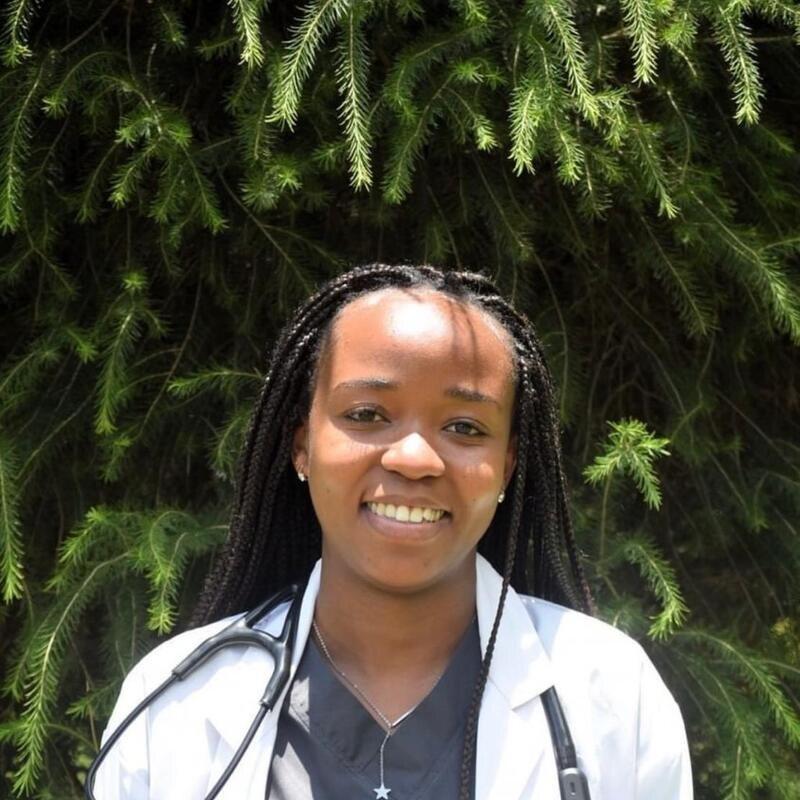
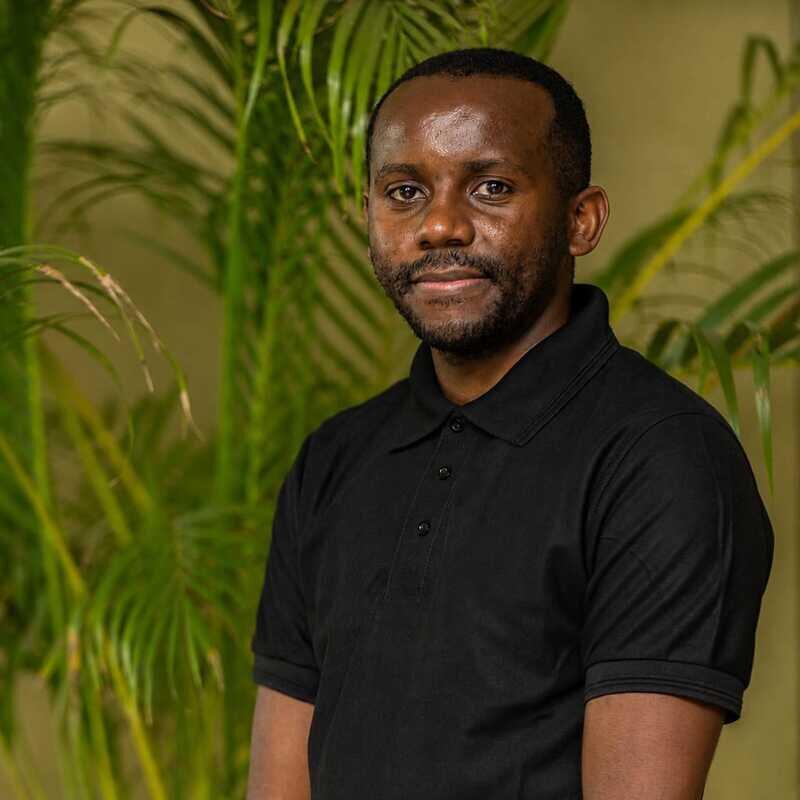
  • Dr. Dorris Mwangi

    Dr. Dorris Mwangi

    Co-founder and Clinical Lead

  • Shannon Simiyu

    Shannon Simiyu

    Co-founder and Software Developer

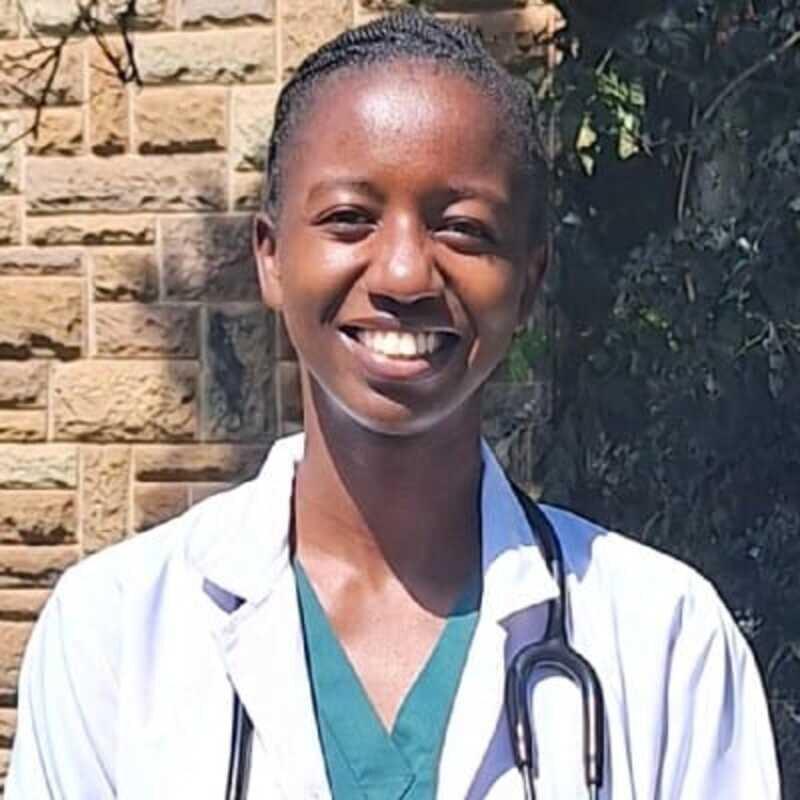
  • Dr. Betha Lorah

    Dr. Betha Lorah

    Field Operations

  • Dr. Glory Mbone

    Dr. Glory Mbone

    Public Health Data Analyst

Six Sustainable Development Goals LINDA contributes to.

  • Sustainable Development Goal 1: No Poverty

    Household income protected when a hospitalisation is avoided.

  • Sustainable Development Goal 3: Good Health and Well-Being

    Climate-driven disease early warning and prevention.

  • Sustainable Development Goal 5: Gender Equality

    Income and standing for the women who make up 75% of Kenya's CHPs.

  • Sustainable Development Goal 10: Reduced Inequalities

    Health intelligence equity for marginalised communities.

  • Sustainable Development Goal 13: Climate Action

    Community-level climate resilience and health adaptation.

  • Sustainable Development Goal 17: Partnerships for the Goals

    County governments, funders, hospitals, and NGOs acting on one signal.

Support

Questions we are asked most.

Not answered here? Write to us and a member of the team will reply.

info@cleampact.org
  • LINDA is a solar-powered malaria early-warning and decision-support system that combines local climate data with historical malaria patterns to identify rising transmission risk and send actionable alerts to Community Health Promoters.

  • LINDA collects local climate data, combines it with historical malaria patterns, estimates rising risk, and sends simple SMS or WhatsApp alerts showing the risk level, priority households and recommended preventive actions.

  • No. LINDA is designed for low-connectivity settings. Alerts can be delivered by SMS or WhatsApp, and the field device is solar-powered.

  • No. LINDA is an early-warning and decision-support tool. It does not diagnose individual patients. Diagnosis and treatment remain with trained health professionals and approved health-system protocols.

  • Partners can work with us through pilot deployments, multi-CHU implementation, research and validation, or wider malaria-prevention programmes. Email us at info@cleampact.org to get started.